
Mold in Air Ducts: How to Detect, Remove, and Prevent It

Quick answer — mold in air ducts:
Suspect mold in air ducts when a musty odor accompanies every AC or heat cycle, allergy symptoms spike indoors, or past leaks/humidity affected the system. Confirm with camera inspection plus lab sampling — never a flashlight diagnosis. Removal = HEPA-contained mechanical cleaning + optional EPA-registered antimicrobial + fixing the moisture source. Mold in air ducts returns unless the moisture cause is solved.
Few home problems generate more fear-based selling than mold in air ducts — and few benefit more from a calm, evidence-first process. This is the playbook we use across humid Northern Virginia: how to detect it honestly, remove it properly, and make sure it does not come back.
Detect: the symptoms and the proof
The classic tell is a musty, damp odor that arrives with the first air cycle and fades — then returns next cycle. Supporting evidence: indoor allergy flares, visible dark speckling around registers, and any history of leaks, floods or chronic humidity. But symptoms are not a diagnosis. Confirmation takes two tools: a duct camera documenting suspect growth in place, and lab analysis of samples that identifies species and concentration versus outdoor baseline. Any company declaring “toxic black mold” from a flashlight glance is selling, not diagnosing — the EPA mold guidance is explicit about verifying before remediating.
Remove: containment is everything
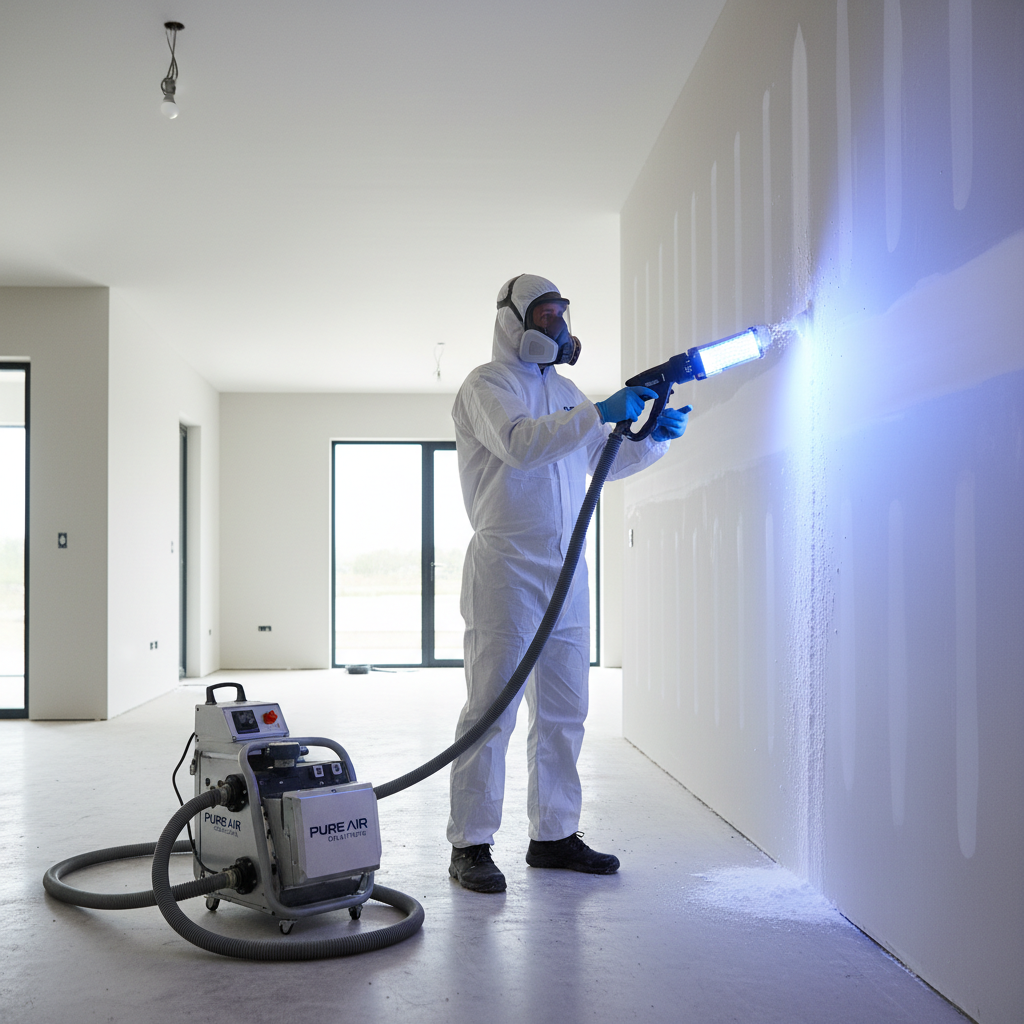
Disturbing mold without containment spreads spores through the house — the cure becomes the disease. Proper removal isolates affected runs under HEPA negative pressure so dislodged material travels into the machine, then cleans mechanically (brushes, air whips) before any chemical enters the conversation. Where treatment is warranted, we apply an EPA-registered antimicrobial per label — always disclosed, always optional, always a separate line item. The full protocol lives on our mold removal service page.
Prevent: solve the moisture, or repeat the job
- Find the source: condensation on unsealed ducts, plumbing leaks, roof intrusions, chronically damp basements
- Fix the airflow: oversized AC systems short-cycle and never dehumidify properly
- Consider UV: a germicidal lamp at the coil prevents regrowth at the wettest point in the system
- Recheck: post-remediation verification confirms the job held
Free camera inspection — see inside your own ducts.
Book Free InspectionThe Northern Virginia humidity factor
Our summers run dew points in the seventies for weeks — basement ducts sweat, and dust inside them becomes a growth medium. Homes in Alexandria and the District’s rowhouse stock see it most; so do finished basements anywhere. The prevention calendar that works: inspect in late spring, treat and seal before peak humidity, verify in fall. Mold in air ducts is seasonal opportunism — deny it the season and you deny it the house.
Watch the process
Real footage, real process — no scare music. If your nose already suspects mold in air ducts, the free camera inspection turns suspicion into evidence, one way or the other: (571) 353-9467.
Mold in air ducts — FAQ
Is mold in air ducts dangerous?
It can aggravate allergies and asthma, and certain species at concentration warrant prompt removal. Danger claims should always come with lab numbers — insist on species and counts, not adjectives.
Can I treat it with a spray from the hardware store?
Surface sprays on visible registers do nothing for growth deep in the runs and can mask the odor evidence. Containment, mechanical removal and source-fixing are what actually end it.
Does homeowners insurance cover it?
When it traces to a covered water event, often yes. Our camera documentation, moisture readings and lab results are formatted to support exactly those claims.
Is mold in air ducts dangerous?
It can aggravate allergies and asthma, and certain species at concentration warrant prompt removal. Danger claims should always come with lab numbers — insist on species and counts, not adjectives.
Can I treat it with a spray from the hardware store?
Surface sprays on visible registers do nothing for growth deep in the runs and can mask the odor evidence. Containment, mechanical removal and source-fixing are what actually end it.
Does homeowners insurance cover it?
When it traces to a covered water event, often yes. Our camera documentation, moisture readings and lab results are formatted to support exactly those claims.
Air Systems Cleaning Specialists serving Ashburn and the DMV since 2020. Every article is reviewed against NADCA ACR standards and field experience from 120+ five-star jobs.