
Quick answer — duct leak repair sealing:
Professional duct leak repair sealing finds leaks by camera plus register-by-register airflow measurement, fixes joints mechanically, and seals with mastic and UL-181 foil — never cloth tape. ENERGY STAR cites 20–30% typical losses; duct leak repair sealing usually pays for itself within two seasons.
Duct leak repair sealing work attacks the most expensive problem you cannot see: conditioned air escaping into attics, crawlspaces and wall cavities before it ever reaches your rooms. ENERGY STAR estimates that in a typical house, 20–30% of the air moving through ducts is lost to leaks, holes and poor connections.
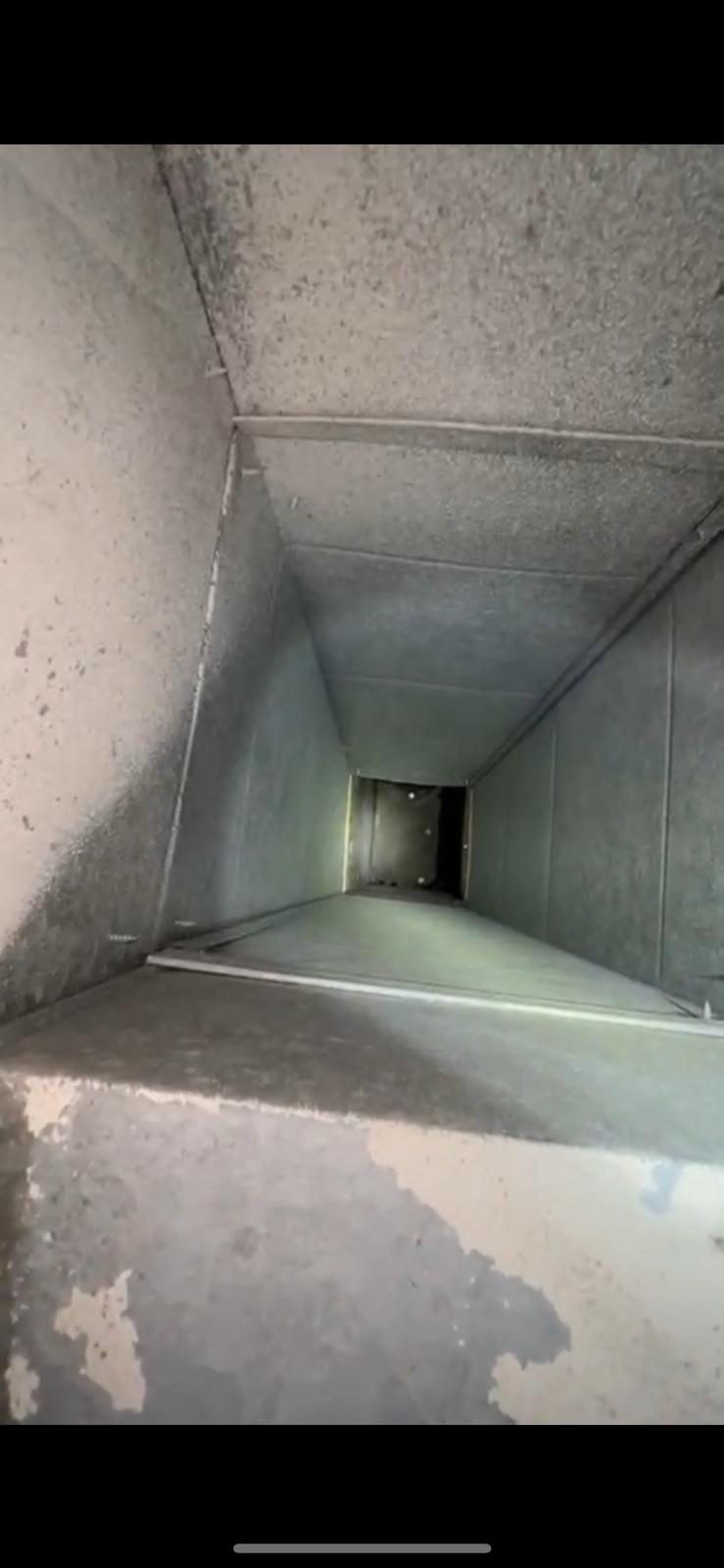
Signs your ducts are leaking
- Rooms that never reach temperature no matter the thermostat setting
- High bills despite a serviced, modern HVAC unit
- Dusty rooms fed by attic or crawlspace runs — leaks suck dirty air IN on the return side
- Whistling or flapping sounds when the blower ramps up
- A hot attic in winter — that heat is coming from somewhere you paid for
Our find-and-seal process
- Camera inspection of accessible runs — you see every disconnected boot and gap on screen
- Airflow measurement at registers to quantify losses room by room
- Mechanical repair of disconnected joints and crushed flex sections
- Mastic and UL-181 foil sealing of seams and takeoffs — never cloth duct tape, which fails in 2–3 years
- After-measurement so the improvement is documented, not promised
Stop paying to heat the attic. Find your leaks — free.
Book My Leak InspectionSealing + cleaning = the full efficiency reset
The ENERGY STAR duct sealing guidance pairs perfectly with cleaning: sealing stops the losses, cleaning restores the airflow. Older housing stock in Arlington and Leesburg — where duct runs have been modified over decades — sees the most dramatic before/after numbers. Wondering what else your system is hiding? These five signs are the place to start.
“Found and fixed a disconnected duct in our attic that two HVAC companies missed.”
Rob H. · Google review
Where NoVA ducts actually leak
After hundreds of camera inspections, the pattern is consistent: takeoff collars where branch lines meet the trunk, panned joist returns in older basements, flex-duct connections strangled by zip ties, and boots that separated from the floor or ceiling when someone stepped wrong in the attic. None of these are visible from the living space — all of them show up on camera in the first thirty minutes of an inspection.
Sealing is measurable, so we measure
Before sealing, we record airflow at every supply register. After sealing, we measure again and give you both numbers. On typical jobs, rooms at the end of long runs gain the most — bedrooms that never cooled properly suddenly hold temperature. That is also why we seal before recommending any equipment upgrade: plenty of “undersized” systems are actually just leaky ones.
The comfort test you can run tonight
Walk your house with the system running and note which rooms feel starved — weak airflow at the register, doors that whistle when closed, temperature swings between floors. Then look at your utility bill trend over two years. If comfort dropped while costs rose and your equipment tested fine, the delivery network is the suspect: leaks bleed supply pressure and dump paid-for air where nobody lives. Bring your notes to the free inspection; the camera and airflow meter will convert your hunches into a written, prioritized repair list.
Duct leak repair sealing pays for itself in one to two seasons on typical NoVA bills. Every duct leak repair sealing job we quote is measured before and after — because duct leak repair sealing without numbers is just a story.
Preparing for a leak inspection
Think of it as a comfort audit. Before we arrive, jot the rooms that run hot or cold, when it is worst (afternoons? windy days?), and where your bills jumped. Clear attic or crawlspace hatches if your ducts run there — that is where the camera and the sealant do most of their work.
- List problem rooms and when they misbehave
- Unlock attic hatches, crawlspace doors and mechanical closets
- Recent bills handy — before/after comparisons need the before
- Sealing day is same-visit or scheduled; mastic cures as it sets
Reading your before/after numbers
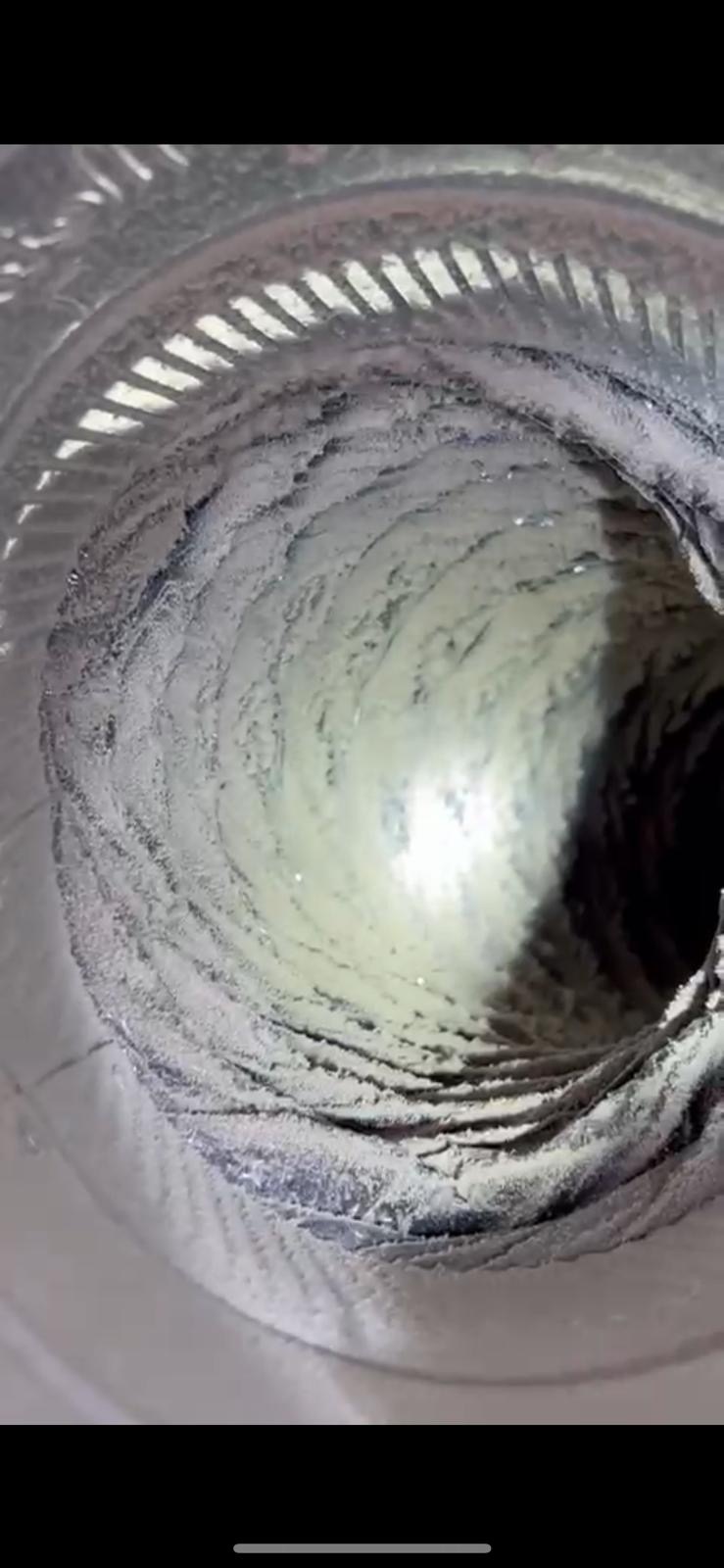
Your report shows airflow at each register before sealing and after — the same rooms, the same fan speed, different numbers. Typical wins look like this: the far bedroom that measured weakest picks up the largest gain, the return-side leaks that were pulling attic dust into the system go silent, and the total delivered airflow rises without touching the equipment. Those numbers do two jobs: they prove the work happened (no trust-me contracting here), and they set a baseline for the future — if comfort ever drifts again, the next measurement finds the change fast. Duct leak repair sealing is one of the few home services where the invoice comes with its own evidence; that is exactly how we think it should be everywhere.
Watch the process
Sixty seconds of real footage beats any sales pitch: this is duct leak repair sealing the way our crews actually do it. If the video raises a question about your own system, the free camera inspection answers it in person — and puts your duct leak repair sealing before/after on the same kind of screen. That transparency is the whole reason duct leak repair sealing customers keep sending us their neighbors.
Duct leak repair sealing — FAQ
How do you find leaks without tearing walls open?
Camera inspection of accessible runs plus register-by-register airflow measurement pinpoints where air is disappearing. The majority of fixable leaks are at accessible junctions in attics, basements and crawlspaces.
What is the difference between mastic and duct tape?
Mastic is a paintable sealant that bonds permanently to metal and flex duct; UL-181 foil tape is its rated companion for seams. Ordinary cloth duct tape dries out and peels within a couple of years — ironically, it is the one thing duct tape is bad at.
How much can sealing save?
ENERGY STAR cites typical losses of 20–30% of conditioned air; sealing recovers most of that. On a NoVA-sized utility bill, the work commonly pays for itself within one to two seasons.
How do you find leaks without tearing walls open?
Camera inspection of accessible runs plus register-by-register airflow measurement pinpoints where air is disappearing. The majority of fixable leaks are at accessible junctions in attics, basements and crawlspaces.
What is the difference between mastic and duct tape?
Mastic is a paintable sealant that bonds permanently to metal and flex duct; UL-181 foil tape is its rated companion for seams. Ordinary cloth duct tape dries out and peels within a couple of years — ironically, it is the one thing duct tape is bad at.
How much can sealing save?
ENERGY STAR cites typical losses of 20–30% of conditioned air; sealing recovers most of that. On a NoVA-sized utility bill, the work commonly pays for itself within one to two seasons.