
Why Your Kids’ Allergies Might Be Coming From the Ductwork — Not Just Pollen Season

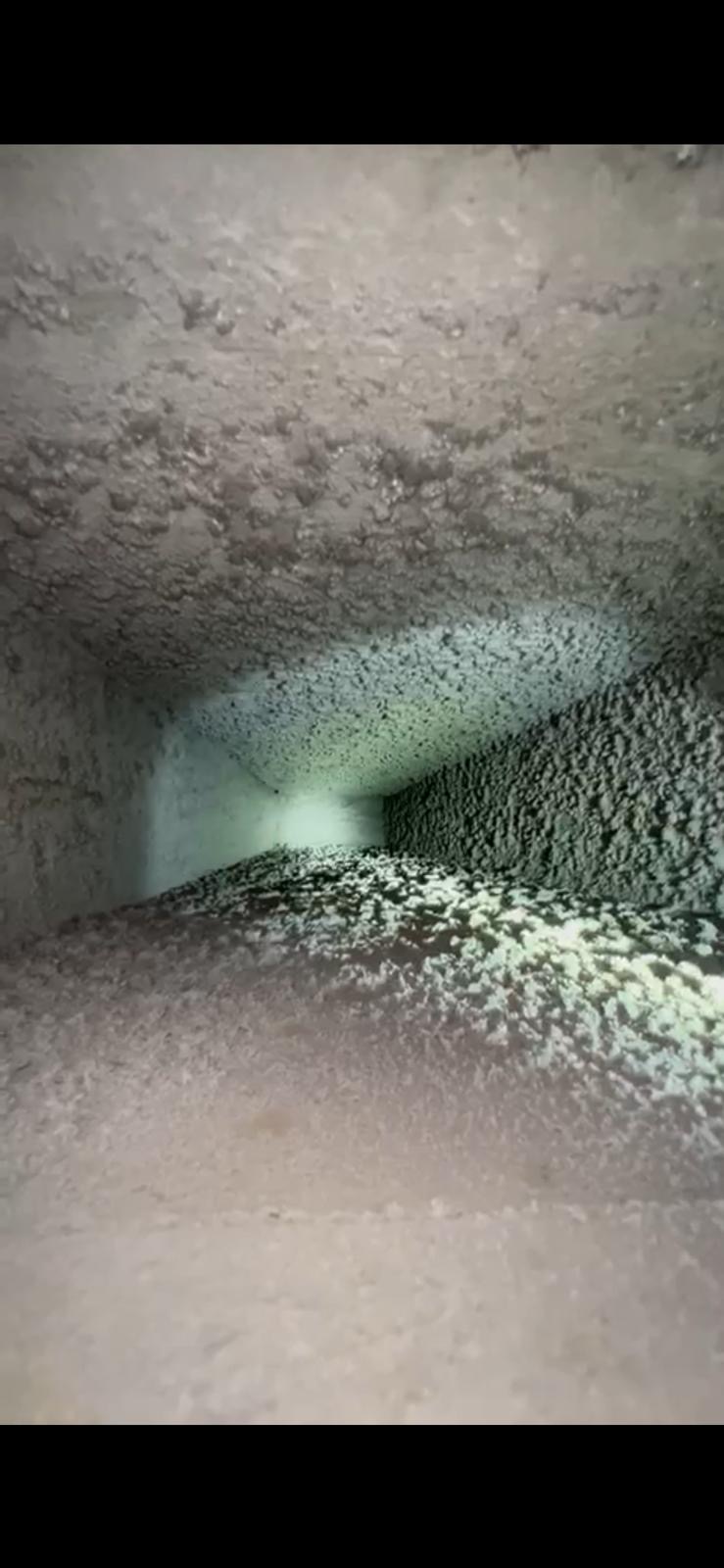
Quick answer — kids’ allergies, mold & air ducts:
If your child’s allergy or asthma symptoms are consistently worse at home than at school or outside — especially alongside a musty smell — dust and mold hiding inside the air ducts are a common, overlooked cause. Children breathe faster and take in more air relative to their body size than adults, so whatever is circulating through the HVAC system reaches them at a higher relative dose. A camera inspection is the only way to actually see what’s built up inside the ducts, rather than guessing.
Parents usually try the obvious things first: a new air purifier, a stricter cleaning schedule, a different laundry detergent. When a child’s symptoms don’t budge — or only ease up when they’re away from home, at school or a grandparent’s house — the cause is often somewhere nobody thinks to check: the ductwork the HVAC system uses to move air through every room the child sleeps, plays and does homework in.
This post focuses specifically on kids and the mold connection. For the broader picture on allergies and dirty ducts in general, see our Does Air Duct Cleaning Help With Allergies? post.
Why kids are affected more than adults by the same air
This isn’t a minor detail — it’s a well-documented reason pediatric health guidance treats indoor air quality as a bigger deal for children than for adults. Kids breathe more rapidly, and relative to their body weight, they take in significantly more air over the course of a day. The EPA and the American Academy of Pediatrics both note that children’s still-developing respiratory systems make them more sensitive to airborne irritants than adults exposed to the exact same environment. A duct system recirculating dust, dander or mold spores doesn’t affect a child and an adult in that home equally — the child is getting a proportionally larger exposure.
The mold connection most parents don’t think to check
Dust and pet dander get most of the attention, but mold is the piece that most often explains symptoms that don’t track with typical allergy season — coughing or congestion that shows up any time of year, or a musty smell that lingers even after cleaning. Ducts create ideal conditions for mold near coils, drain lines and condensate pans, wherever moisture collects and doesn’t fully dry out. Mold spores are small enough to travel through the entire duct system and settle in bedrooms and play areas along with everything else being circulated. (Our separate post on hidden moisture and mold in ducts covers the mechanics of how that buildup happens in more detail.)
Signs it’s worth checking your ducts specifically
- Your child’s symptoms are noticeably better at school, daycare, or anywhere other than home
- Coughing, congestion or itchy eyes flare up within minutes of the heat or AC turning on
- A musty or stale smell is present alongside the symptoms, even in rooms that look clean
- A child with asthma needs a rescue inhaler more often specifically while at home
- Symptoms persist through multiple seasons, not just during a typical pollen window
See what’s actually circulating through your child’s bedroom air.
Book Free InspectionWhat a duct inspection actually tells you
A camera inspection is the direct way to find out whether the ductwork is contributing — rather than guessing based on symptoms alone. It shows what’s actually built up inside: ordinary dust and dander, or visible mold growth that calls for a different response. If mold is present, that changes the recommendation from a standard cleaning to a standard cleaning plus a targeted, EPA-registered sanitizing step, applied only where it’s needed and always explained and quoted separately before anything is done.
Steps parents can take between now and an inspection
- Keep an eye on whether symptoms track with time at home versus time away — that pattern is the clearest signal
- Check for any musty smell near vents or the air handler, even a faint one
- Replace HVAC filters on schedule, since a clogged filter lets more debris pass straight through
- Control indoor humidity where possible — mold needs moisture, and drier conditions slow its growth
- If any of the signs above sound familiar, a camera inspection gives you a clear answer instead of ongoing guesswork
Schedule your free camera inspection — see what’s actually circulating through your child’s bedroom air. (571) 353-9467 · info@ezductclean.com